
How to Choose the Right Insulation Company in Enterprise
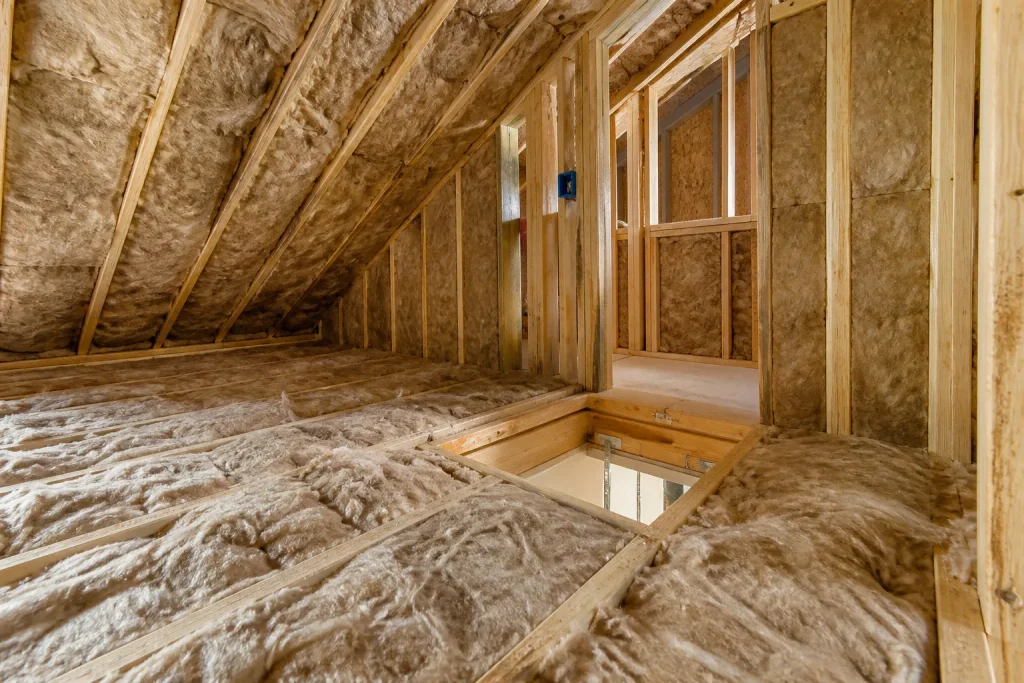
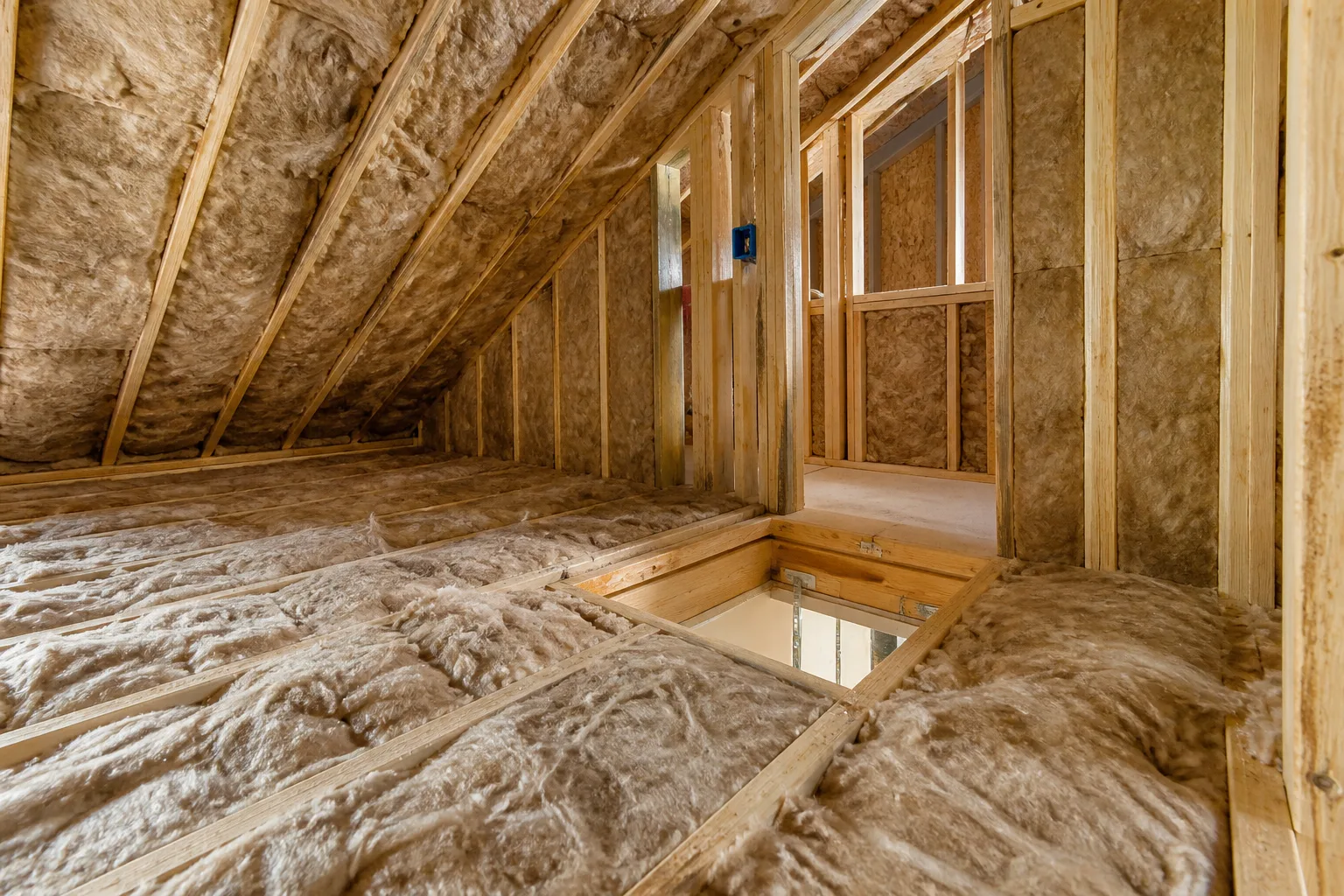
The best insulation company in Enterprise isn’t the one with the most five-star reviews. It’s the one that tells you something you didn’t already know during the assessment, because that’s proof they actually looked at your attic. Anyone can hand you a bid. A contractor worth hiring will point at the recessed can lights bleeding heat, the top plate that was never sealed, or the bath fan venting straight into the fluffy stuff. Those details are the whole job. If the walkthrough is silent, the quote that follows is a guess.
If you’d rather have someone with a flashlight and a moisture meter climb up there and read the space for you, call (877) 702-6273. We answer 24/7. Fast dispatch from 7am to 7pm, Sunday through Friday.
Why Specialization Matters More Than You Think
A generalist contractor who “also does insulation” is often buying the cheapest batts in bulk and installing them the way they always have. An insulation-only contractor builds every recommendation around one trade. That difference shows up in three places: product knowledge, installer training, and warranty terms. Product knowledge means understanding how open-cell and closed-cell spray foam behave in the same cavity, or why cellulose settles differently than mineral wool over time. Installer training means the crew has actually sprayed Icynene and Demilec systems and knows how to hit a consistent thickness. Warranty terms are the tell. A specialist stakes their whole business on insulation performing, so the coverage tends to follow the labor, not just the box.
We’re an Attic Insulation Enterprise, and insulation is the entire job description. Nothing gets split with roofing or HVAC. That focus is what lets a technician walk into an Enterprise attic and immediately read what’s wrong instead of what’s familiar.
What a Legitimate Assessment Actually Includes
Any proposal that skips a real diagnostic is a guess dressed up as an estimate. A proper assessment in Enterprise starts in the attic and works inward. Here’s what to expect from a contractor who’s doing it right:
- An in-person attic inspection: measuring depth, checking for moisture stains, and looking at how the existing material is performing.
- A thermal scan or blower-door test to find where air is leaking. Blower-door testing pressurizes the house and turns hidden leaks into visible pressure readings.
- Checking the recessed lights, top plates, plumbing penetrations, and the hatch itself, since those gaps work against whatever insulation you install.
- An honest note about ventilation, because trapped moisture in an attic does more damage than a thin layer of batts.
- A written recommendation in plain terms that explains the material choice, not just a line item with a price.
If a contractor quotes an Enterprise home without climbing into the attic, you’re comparing a guess against a diagnosis. Ask what they found, and watch how specific the answer is.
What happens when you call
- 1
A real person answersNo phone trees – you reach a local pro.
- 2
You get an upfront price rangeHonest numbers before anyone is dispatched.
- 3
A background-checked tech heads outLicensed & insured, dispatched right away.
- 4
You approve before work beginsNothing starts until you say go.
How to Compare Quotes When the Scope Differs
Two bids can look identical on the bottom line and be completely different jobs. One includes air-sealing and the other doesn’t. One pulls out old water-damaged material and the other installs over it. To compare fairly, normalize the scope before you compare the price.
- Air-sealing: is sealing included, or is it an add-on? Spray foam seals and insulates in one step, which changes the scope entirely.
- Removal: does the bid cover removing old insulation, or is that separate? An Attic insulation job over contaminated material is a different number than a clean install.
- Equipment costs: blower-door testing and thermal imaging should be listed. If they’re missing, the diagnosis was missing too.
- Depth and density: compare the installed depth and coverage, not just the number of bags.
- Warranty: labor coverage matters as much as the material, and a warranty that excludes labor leaves you holding the bill.
We build the free estimate around this framework so you can hold two bids side by side and see them clearly.
Certifications to Look For and What They Mean
Manufacturer certification tells you a contractor has been trained on a specific product system, not just that the product is sitting on a shelf. It matters most with spray foam. Icynene and Demilec systems are only as good as the installer’s setup, and certified installers know the temperature window, mix ratios, and thickness limits for open-cell and closed-cell applications. With fiberglass and mineral wool, certified installation for spray foam insulation brands like Rockwool and CertainTeed signals the crew knows the correct installation standards rather than eyeballing it. Commodity buying is when a contractor buys whatever’s cheapest that week. Certification is the opposite: a commitment to a product line they’ve been trained to install properly. When you ask a prospective contractor which certifications they hold, take notes and check that the materials in the fold-out match the bids. It’s a short conversation that tells you a lot.
Red Flags Specific to the Enterprise Market
Some warning signs show up everywhere; a few have particular weight in this valley climate where attic temperatures swing hard. Watch for these:
- The same product for every home. If the recommendation never changes regardless of the structure, the contractor isn’t diagnosing, they’re selling.
- Quotes with no in-person attic inspection. A number thrown together over the phone is a number you’ll regret later.
- Warranties that exclude labor. Read the fine print before you sign. Coverage on materials alone puts the responsibility back on you if the install fails.
- No blower-door or moisture check. In a dry region, sealing matters as much as adding material, and a company that skips the assessment is guessing at both.
- Vague material descriptions. A bid that just says “insulation” with no brand, depth, or type is not a bid you can compare.
For moisture and structure questions in an older Enterprise home, air-sealing before adding material is often the difference between a comfortable room and a cold one.
When to Call a Pro
Swapping a single batt of batt insulation in an accessible, dry cavity is a reasonable weekend task. But when an attic is too hot to work in, sitting under a finished powder room, or showing any sign of water intrusion or pest damage, the work calls for a trained technician. The same goes for spray foam. Those two-part systems involve chemical handling and cure-time judgment that don’t belong on a homeowner’s checklist. If you’re unsure whether your situation crosses that line, it’s a fine time to ask. Our technicians have up to 9 years of experience reading exactly these spaces. Call (877) 702-6273 to schedule a free estimate.
The Bottom Line
Choosing an insulation company in Enterprise comes down to one thing: does their process give you confidence they’ve actually looked at your home? A rigorous assessment, a scope you can compare line by line, and a recommendation that matches your structure and budget are the real proof. Price matters, but a discount on the wrong material installed perfectly still fails. If you’re in Enterprise and need help, Attic Insulation Enterprise offers free estimates – call (877) 702-6273. Related services in Enterprise include attic insulation and spray foam.
Written by the team at Attic Insulation Enterprise.
Frequently Asked Questions
Cost depends on the attic size, current depth, moisture, and the method chosen, so an exact number comes only from a written estimate after the in-person inspection. We don’t quote over the phone because the details that drive price live in the attic. Call (877) 702-6273 for a free assessment and a written quote – estimates are free.
Yes, in most cases, because it finds air leaks a visual inspection alone misses and turns a guess into a plan. It measures how much air is escaping, and that tells you whether sealing should happen before or alongside adding insulation. Without it, recommendations are less reliable. Call (877) 702-6273 to talk through whether it fits your home.
Open-cell foam is lighter and more flexible, while closed-cell foam is denser and adds strength to the assembly. Each suits different cavities and needs, and picking the wrong one for the application is a common mistake. We install both Icynene and Demilec systems, so we match the material to the cavity, not the other way around. Call (877) 702-6273 for a free estimate.
Timing depends on the scope, the material, and the size of the space, so we book a dedicated install day after the free estimate rather than promising a timeline before we’ve seen it. Blown-in work is generally faster than spray foam. The written estimate sets the price and the plan. Call (877) 702-6273 to schedule.
Need Insulation Help?
Call Attic Insulation Enterprise - licensed & insured, here with fast help in Enterprise.
(877) 702-6273