
Attic Insulation Near Me: How to Choose a Local Insulation Company in Enterprise
Searching “attic insulation near me” in Enterprise pulls up a mix of dedicated insulation contractors, roofing companies that added insulation to their service menu last year, and HVAC outfits offering it as a side job. Your attic can’t tell the difference between them. Your energy bill can. The core question to answer before you call anyone is simple: does this company understand how a building holds and loses heat, or does it sell insulation by the square foot? This post gives you a concrete filter to sort one from the other in about fifteen minutes of research.
If you’d rather skip the detective work and talk to a specialist directly, call (877) 702-6273. We answer 24/7.
Why does it matter who installs attic insulation in Enterprise?
It matters because insulation is a building science discipline, not a commodity installation task. The material you buy is only as good as the assessment behind it, the air sealing underneath it, and the way it’s fitted to your attic’s actual geometry. A company that treats it as a product drop-in leaves gaps, compresses batts around obstructions, and skips the air sealing that makes insulation perform.
Enterprise sits in a high desert climate with intense summer heat and cold winter nights. That swing matters. An attic here has to handle a big temperature differential in both directions, and the right approach for a vented attic in this climate isn’t the same one you’d use somewhere mild and humid. A specialist will look at your attic’s ventilation, the condition of what’s already there, and how the conditioned space below connects to it before recommending anything.
The other reason it matters: a company that also sells roofing, HVAC, and handyman work has divided attention and divided equipment. Every tool, every training hour, and every recommendation at an insulation-only outfit points in one direction. That’s the difference between a generalist and a specialist.
What license should an insulation contractor in Nevada hold?
Nevada requires contractors to be licensed by the state, and insulation work falls under the residential and general building contractor classifications depending on the scope. Before you book anything, ask for the license number and verify it through the Nevada State Contractors Board’s public lookup. It takes two minutes and it filters out a surprising share of the market.
Why does this matter so much in the insulation space specifically? Because unlicensed crews operate freely in it. Attic work happens out of sight, the materials are cheap to buy and easy to haul, and a homeowner can’t easily tell a good installation from a bad one until the bill arrives months later. That combination attracts people who aren’t set up to stand behind their work.
When you check, confirm three things:
- The license is active and in the right classification. Not expired, not a different trade.
- The company carries liability insurance and workers’ compensation. Ask for proof. If a crew member gets hurt in your attic, this is the difference between a paperwork problem and a legal one.
- The license matches the company doing the work. Subcontracted labor is common, but the licensed contractor you hired should be accountable for the result.
A legitimate specialist will hand over this information without hesitation. Reluctance to provide a license number is your answer, and you can stop the conversation there.
Why does an insulation-only specialist offer more material choices?
Because a specialist isn’t locked into one supplier’s catalog. A general contractor typically buys from one or two distributors in bulk, so whatever that distributor stocks becomes the recommendation for every home. A dedicated insulation company works across a wider menu because its entire business depends on matching the material to the structure, not on moving inventory.
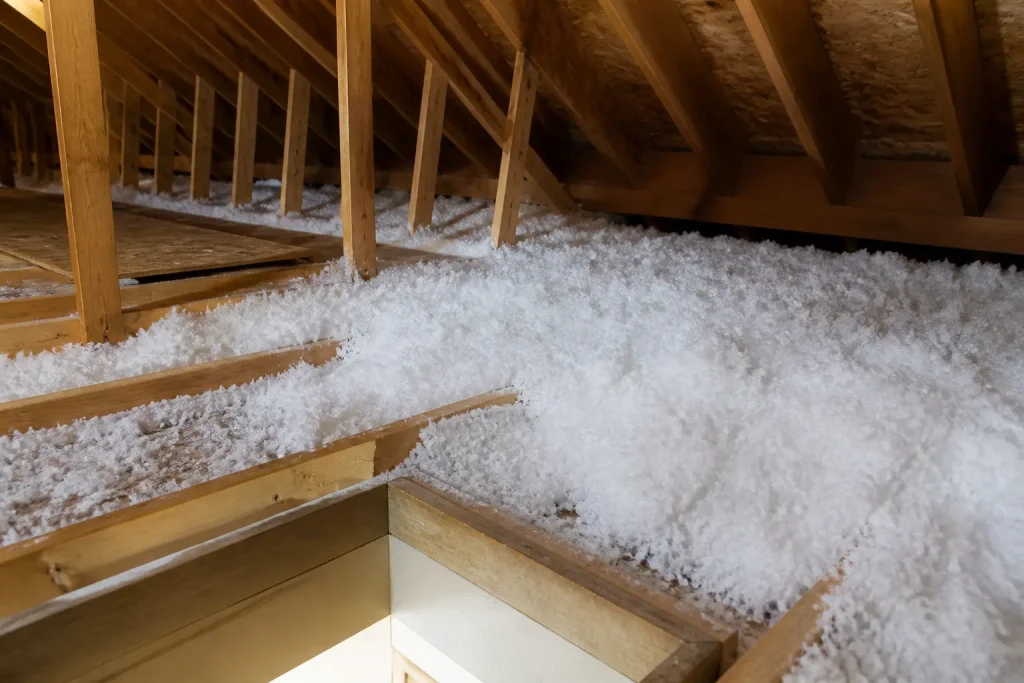
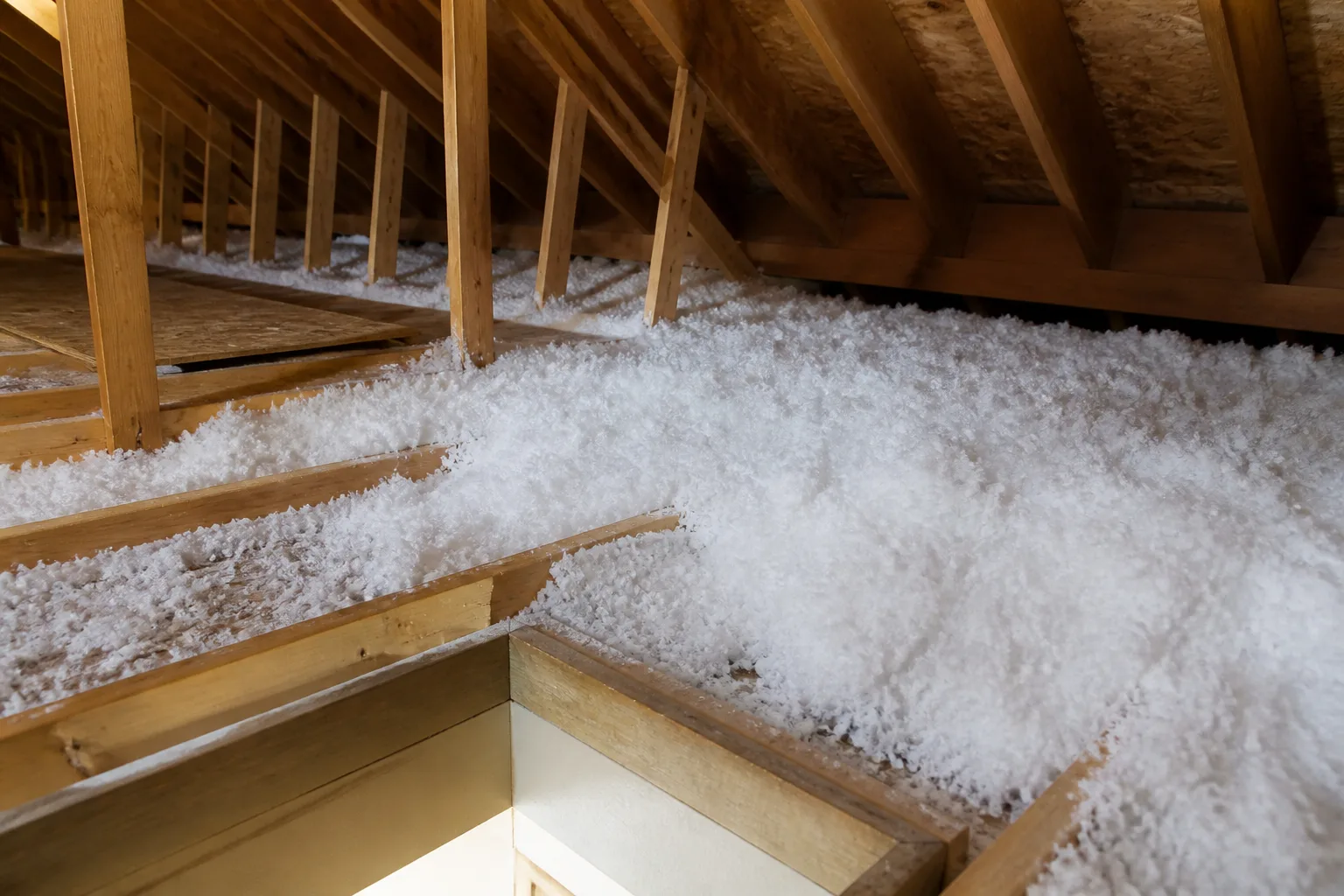
Here at Attic Insulation Enterprise we work with eight leading material brands, including Owens Corning, Johns Manville, Knauf, and GreenFiber. That breadth means the recommendation comes from your attic’s needs rather than from a supplier incentive. Blown-in cellulose from GreenFiber reaches corners and irregular floor areas that batts can’t. Mineral wool handles fire and sound performance where that matters. Fiberglass batts make sense for straightforward open attic floors on a tighter budget. Spray foam seals and insulates in one step when air leakage is the real problem.
Three installation methods sit behind that menu: attic insulation in batt and roll form, spray foam insulation, and blown-in. A shop that offers only one has to make your attic fit its method. A shop that offers all three can do the reverse. For a closer look at how the materials break down by situation, see Attic Insulation Enterprise.
What should a pre-installation attic assessment include?
A proper assessment happens before anyone quotes a number. If a company gives you a price over the phone without ever putting eyes in your attic, that’s a red flag, and it’s one of the clearest ones to spot. Square footage alone tells almost nothing about what the installation needs to accomplish.
A real assessment in an Enterprise home should cover:
- The current state of the insulation. What’s there, how deep it runs, whether it’s been compressed, contaminated, or settled unevenly.
- Air leakage pathways. Top plates, can lights, chimney chases, duct penetrations, and the attic hatch. Insulation over a leak is a blanket over an open window.
- Ventilation. Intake and exhaust balance. Poor ventilation traps moisture and shortens the life of whatever you install.
- Moisture and pest evidence. Staining, mold, rodent trails, or old nesting material all change the plan.
- The attic’s structure and obstructions. Knee walls, HVAC equipment in the attic, and irregular framing determine which method fits.
- The specific requirement for your home and city. That depends on the house and the local code, so it’s worth asking whether the company checks it with the Enterprise building department during the estimate.
A company that walks through all six is doing building science. A company that measures the floor and multiplies by a price per square foot is selling product.
Five interview questions that separate specialists from sellers
Ask these before you sign anything. The answers tell you whether you’re talking to someone who understands how insulation performs or someone reading from a sales script.
- “What’s the air sealing plan?” If the answer is vague or absent, walk. Sealing gaps before insulating is what makes insulation work.
- “Which materials do you install, and why would you pick one over another for my attic?” A specialist gives you a real comparison. A one-product shop gives you a pitch.
- “How do you handle existing insulation that’s damaged or contaminated?” Removal and disposal are real parts of the job. A company without an answer hasn’t thought it through.
- “What’s your ventilation strategy for this attic?” In Enterprise’s climate, ventilation decisions matter for moisture control and material longevity.
- “Can I see the written estimate with line items before I commit?” Upfront pricing should be in writing, with materials and labor broken out, not a single handwritten number on a card.
Our technicians have up to 9 years of experience, and the questions above are the ones we expect a well-informed homeowner to ask. A good specialist welcomes them.
How do you read reviews for insulation contractors specifically?
Look past the star count and read for technical detail. A review that says “great crew, very professional, would recommend” tells you the sales process was smooth. A review that mentions air sealing being done thoroughly, a walkthrough of the attic before and after, an explanation of why one material was chosen over another, or a difference noticed in specific rooms the following season tells you something about the quality of the work.
What to look for:
- Specificity about the assessment. Did the company go into the attic, take photos, and explain what they found?
- Mentions of the messy parts. Cleanup, debris removal, protecting the floors. A thorough installer is thorough everywhere.
- Comments on the explanation. Did the homeowner understand what was being installed and why?
- Notes about the following season. Comfort changes in upstairs rooms or a drop in heating and cooling costs are meaningful signals.
What to discount: reviews that read like they were written in a showroom, complaints about upselling, and anything that describes a different service entirely. A roofing company’s five-star reviews tell you nothing about its insulation work.
When to call a pro
Some attic jobs are genuinely DIY-friendly. Rolling new batts over a clean, flat, unobstructed attic floor with good access is within reach for a careful homeowner. But there are situations where calling a specialist is the right call, and a few where it’s the only call.
Call a pro if your attic has spray foam involved, if there’s existing insulation that looks damaged, wet, or contaminated, if you’ve noticed moisture or mold, if the attic houses HVAC equipment or has complex framing, or if there are signs of pests or a leaking roof above. Attic work also involves heat, tight spaces, and hidden hazards, so if you’re not confident moving around up there, don’t. That’s not a sales pitch, it’s just a sensible line to draw.
Related services in Enterprise: if you’re still working out which method fits your home, our Enterprise service page covers the local picture, and the spray foam and blown-in pages break down the two approaches most often chosen here.
The Bottom Line
The insulation company you hire matters more than the brand of insulation you buy. Verify the Nevada license and insurance, ask the five questions, insist on an in-attic assessment before a quote, and read reviews for technical detail rather than smooth sales patter. A specialist will welcome all of it. A seller will dodge. In our experience, that single filter saves Enterprise homeowners more money than any price comparison ever will.
Insulation can help lower heating and cooling costs, and the results depend on your attic and your home. The right material and method for your structure and climate, installed properly with air sealing underneath, is what makes the difference.
If you’re in Enterprise and want a straight read on your attic, Attic Insulation Enterprise offers free estimates, written quotes with upfront pricing, and a satisfaction guarantee. Call (877) 702-6273. We answer 24/7. Fast dispatch from 7am to 7pm, Sunday through Friday, closed Saturday.
Frequently Asked Questions
Insulation is priced per job based on a written estimate, not by a flat rate, because the cost depends on your attic’s size, the material you choose, whether old insulation needs removal, and how much air sealing is required. The estimate visit is free, and the written quote sets the final price. Call (877) 702-6273 to schedule yours.
Yes. The estimate visit and the written quote cost you nothing, and there’s no obligation to book the work. We assess the attic, explain the options, and put the price in writing before you decide. Call (877) 702-6273 to set it up.
Most residential attic jobs are completed in a single day, though removal of old insulation or extensive air sealing can add time. The written estimate will give you a realistic timeline for your specific attic before the install day is booked. Call (877) 702-6273 for an exact quote.
It depends on your attic. Blown-in cellulose or fiberglass is usually the right pick for an open, vented attic floor because it reaches every corner of an irregular space. Spray foam seals and insulates in one step, which makes it a strong choice when air leakage is the main problem or the roofline is being insulated. The right answer comes from an assessment, not a preference. Call (877) 702-6273 for a free estimate.
Written by the team at Attic Insulation Enterprise.
Need Insulation Help?
Call Attic Insulation Enterprise - licensed & insured, here with fast help in Enterprise.
(877) 702-6273